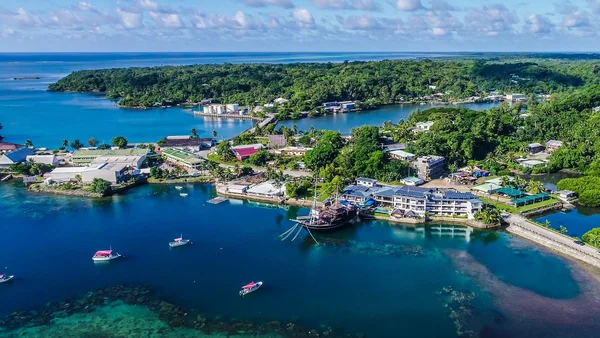
Imagine a place where history sleeps beneath clear blue waves and ancient stone cities rise from the jungle floor. The Federated States of Micronesia (FSM) is not your average tropical getaway. It is a nation of islands scattered across the Western Pacific, offering travelers a rare glimpse into pristine nature and deep-rooted culture. While many tourists flock to Hawaii or Tahiti, the adventurous few who journey to Micronesia are rewarded with unspoiled beauty.
If you are planning a trip to this remote part of the world, knowing exactly where to go is crucial. This guide focuses on 2 tourist destinations in FSM that stand out above the rest: the legendary Chuuk Lagoon and the mysterious ancient city of Nan Madol in Pohnpei. Whether you are a history buff, a scuba diving enthusiast, or simply a lover of raw, natural beauty, these two locations offer experiences you cannot find anywhere else on Earth.
Let’s dive into what makes these islands so special and why they should be at the top of your travel bucket list.
Why Visit the Federated States of Micronesia?
Micronesia is often overlooked, but that is exactly why it is so charming. You won’t find massive crowds, towering high-rise hotels, or commercialized tourist traps here. Instead, you find genuine hospitality and a connection to nature that feels almost primal. The country consists of four states: Yap, Chuuk, Pohnpei, and Kosrae. Each has its own distinct culture, language, and attractions.
However, for first-time visitors looking for the most impactful experiences, focusing on Chuuk and Pohnpei is often the best strategy. These states house the most iconic sites in the region. Traveling here requires a bit of planning, usually involving flights through Guam or Honolulu, but the effort is worth it. You are stepping into a world where island time is real, and the stress of modern life melts away.
Visitors can expect warm tropical weather year-round, making it a perfect escape from harsh winters in the United States. The currency is the US Dollar, which makes transactions incredibly easy for American travelers. Furthermore, English is the official language of government and commerce, so communication is rarely an issue.
Destination 1: Chuuk Lagoon – A Diver’s Ultimate Dream
When discussing 2 tourist destinations in FSM, Chuuk Lagoon (formerly known as Truk Lagoon) is almost always the first name mentioned. It is widely considered the wreck diving capital of the world. But even if you aren’t a diver, the history here is palpable. During World War II, this massive lagoon served as a major base for the Japanese Imperial Fleet. In 1944, the US Navy launched Operation Hailstone, sinking dozens of ships and aircraft in the lagoon’s waters.
Today, these wrecks lie undisturbed on the ocean floor, transformed into vibrant artificial reefs. Soft corals in reds, pinks, and purples now cover the steel skeletons of war. It is a hauntingly beautiful underwater museum. Divers can explore the decks of cargo ships, peer into the cockpits of sunken planes, and swim through cargo holds that still contain trucks and tanks.
The lagoon is protected by a massive barrier reef, keeping the waters calm and clear. This visibility is perfect for underwater photography. While diving is the main draw, the islands within the lagoon offer lush landscapes and friendly local villages where you can learn about Chuukese culture.
The Haunting History Beneath the Waves
The historical significance of Chuuk Lagoon cannot be overstated. It is a tangible reminder of the scale of World War II in the Pacific. For history enthusiasts, diving here is a somber and respectful experience. You aren’t just looking at fish; you are looking at a moment frozen in time.
Many of the ships still hold cargo that was never delivered. You might see gas masks, sake bottles, and even bicycles resting in the dark holds. The Fujikawa Maru is one of the most famous wrecks, featuring fighter aircraft in its hold and a spectacular covering of soft corals on its exterior. Another popular site is the San Francisco Maru, which sits deeper and holds tanks on its deck.
It is important to remember that these sites are war graves. Respect is paramount. Divers are strictly forbidden from taking artifacts. The preservation of these wrecks allows future generations to witness history firsthand. For those who don’t dive, snorkeling over the shallower wrecks still provides an incredible view of this underwater battlefield.
Adventure and Nature in Chuuk
Beyond the wrecks, Chuuk offers plenty of natural beauty above the waterline. The lagoon is dotted with high volcanic islands covered in thick, green vegetation. Taking a boat tour around the islands allows you to appreciate the sheer scale of the lagoon, which is one of the largest in the world.
Birdwatchers will find plenty to see here, with several species endemic to the region. You can also visit Weno, the capital island of Chuuk state, to visit the Blue Lagoon Resort or hike up to Japanese communication centers and gun emplacements that overlook the harbor. The views from these high points are breathtaking, offering a panoramic perspective of the turquoise waters and the surrounding reef.
Local markets in Weno offer fresh coconuts, bananas, and locally caught fish. engaging with the locals is a highlight of any trip. The Chuukese people are known for their strong family ties and community spirit. While tourism infrastructure is simpler here compared to major resorts, the authenticity of the experience is unmatched.
Destination 2: Nan Madol in Pohnpei – The Venice of the Pacific
The second of our 2 tourist destinations in FSM takes us to the island of Pohnpei. Here lies Nan Madol, a UNESCO World Heritage site that baffles archaeologists and engineers to this day. Often called the “Venice of the Pacific,” Nan Madol is an ancient city built on top of a coral reef using massive basalt logs.
Construction of this city began around 1200 AD, serving as the ceremonial and political seat of the Saudeleur Dynasty. The city consists of nearly 100 small artificial islets bordered by tidal canals. The sheer weight of the stones used—some weighing up to 50 tons—raises questions about how they were moved without modern machinery.
Walking (or kayaking) through Nan Madol feels like stepping into a fantasy novel. The dark basalt walls rise ominously from the water, contrasting with the bright green mangroves and blue sky. It is a place of mystery and legend, with local myths suggesting that sorcerers used magic to levitate the stones into place.
Exploring the Ruins of Nan Madol
Visiting Nan Madol is an adventure in itself. The ruins are located off the eastern shore of Pohnpei. At high tide, you can navigate the canals by boat or kayak, drifting silently past the ancient walls. At low tide, you can walk across the shallow flats to explore the islets on foot.
The central fortress, Nandauwas, is the most impressive structure. It features high walls surrounding a central tomb. The architecture is unique in the Pacific, showcasing a level of social organization and labor mobilization that was incredibly advanced for its time.
Unlike other famous ruins like Angkor Wat or Machu Picchu, Nan Madol is relatively uncrowded. You might find yourself exploring this ancient city entirely alone, accompanied only by the sound of the ocean and the wind in the trees. It is a spiritual and atmospheric place that leaves a lasting impression on every visitor. For more travel insights on unique destinations like this, check out the resources at NCR Magazine.
Pohnpei’s Natural Wonders: Waterfalls and Ridges
Pohnpei is not just about ancient ruins; it is also known as the “Garden Island” of Micronesia because of its high rainfall and incredibly lush interior. The island is mountainous, with jagged peaks and deep valleys filled with tropical rainforests.
One of the must-see natural attractions is Kepirohi Waterfall. It is one of the most accessible and beautiful waterfalls in the Pacific, cascading over wide basalt rock formations into a fresh pool below. It is the perfect spot for a refreshing swim after a hot day exploring Nan Madol.
Hiking is another popular activity in Pohnpei. The Sokehs Rock hike offers challenging terrain but rewards climbers with spectacular views of the harbor and the surrounding reef. The island’s interior is dense and wild, home to many unique plant species. Whether you are hiking a ridge or swimming beneath a waterfall, Pohnpei immerses you in nature.
Key Comparison: Chuuk vs. Pohnpei
Choosing between these destinations can be tough if you are short on time. Here is a quick comparison to help you decide which island fits your travel style best.
Feature | Chuuk Lagoon | Pohnpei (Nan Madol) |
|---|---|---|
Primary Attraction | World-class Wreck Diving | Ancient Ruins & Culture |
Best Activity | Scuba Diving / Snorkeling | Hiking / Kayaking Ruins |
Landscape | Large Lagoon with Islands | High Mountains & Rainforests |
Vibe | Historic & Underwater Focus | Mysterious & Adventurous |
Ideal Traveler | Divers & WWII Buffs | Culture Seekers & Hikers |
Both locations offer distinct experiences. If you love the ocean and history, Chuuk is the place. If you prefer ancient mysteries and jungle trekking, Pohnpei is your best bet.
Practical Tips for Traveling to FSM
Traveling to the Federated States of Micronesia requires preparation. Flights are generally routed through Guam via United Airlines, famously known as the “Island Hopper” route. This flight stops at several islands, offering great views from the air.
- Visas: US citizens do not need a visa to enter 2 tourist destinations in FSM, just a valid passport.
- Packing: Pack light, breathable clothing. Don’t forget reef-safe sunscreen and strong insect repellent.
- Internet: Internet connectivity can be slow and expensive compared to US standards. Treat it as a digital detox.
- Respect: Dress modestly when visiting villages. Ask for permission before taking photos of people or private property.
The Unique Culture of Micronesia
The culture in FSM is a blend of indigenous traditions and colonial influences. Traditional skills like navigation, weaving, and carving are still practiced and respected. In Pohnpei, the drinking of Sakau (a sedative drink made from pepper root, similar to Kava) is a central part of social and ceremonial life. Participating in a Sakau ceremony is a profound cultural experience.
The concept of respect is deeply ingrained. Elders are held in high regard, and community decisions are often made by traditional chiefs. Visitors who show humility and interest in local customs are welcomed warmly. This cultural richness adds a layer of depth to your visit that goes beyond just sightseeing.
Why Sustainable Tourism Matters Here
As you plan your visit to these 2 tourist destinations in FSM, keep sustainability in mind. These islands are fragile ecosystems. The coral reefs in Chuuk and the mangroves in Pohnpei are sensitive to environmental changes and human impact.
Choose eco-friendly tour operators who respect the environment. Avoid single-use plastics, as waste management is a challenge on small islands. By traveling responsibly, you help preserve these incredible destinations for future generations. Supporting local businesses ensures that your tourism dollars directly benefit the communities you visit.
Frequently Asked Questions (FAQ)
Q: Is it safe to travel to the Federated States of Micronesia?
A: Yes, FSM is generally very safe for tourists. The crime rate is low, and the locals are known for being friendly and helpful. However, standard travel precautions should always be taken.
Q: What is the best time of year to visit FSM?
A: The weather is tropical and warm year-round. However, the dry season (roughly December to April) is often considered the best time to visit to avoid heavy rains, especially if you plan on hiking.
Q: Do I need to be a certified diver to enjoy Chuuk Lagoon?
A: While being certified allows you to explore the deeper wrecks, snorkelers can still see shallow wrecks and vibrant coral reefs. However, getting your certification beforehand will significantly enhance your experience.
Q: Can I use my US credit cards in FSM?
A: Major hotels and dive shops usually accept credit cards, but smaller shops and local markets operate on cash. It is wise to carry US dollars for daily expenses.
Q: How do I get between the islands?
A: Inter-island travel is primarily done via United Airlines flights. There are no regular passenger ferries between the major states (like Chuuk to Pohnpei), so flying is necessary.
Conclusion
The Federated States of Micronesia offers a travel experience that is rare in today’s world: genuine adventure. By visiting these 2 tourist destinations in FSM, you are choosing to explore the road less traveled. Whether you are descending into the ghostly cargo holds of Chuuk Lagoon or marveling at the ancient engineering of Nan Madol in Pohnpei, you will leave with memories that last a lifetime.
These islands remind us of the power of nature and the depth of human history. So, pack your bags, grab your passport, and get ready to discover the hidden jewels of the Pacific. The adventure of a lifetime awaits in Micronesia.
Key Takeaways:
- Chuuk Lagoon is a world-class destination for wreck diving, featuring sunken WWII ships and planes.
- Nan Madol in Pohnpei is a mysterious ancient city built on a reef, offering a unique archaeological experience.
- Travelers should prepare for a remote experience, with US Dollars being the primary currency.
- Respecting local culture and practicing sustainable tourism is essential for preserving these islands.
- Flights typically route through Guam or Hawaii via the “Island Hopper.”