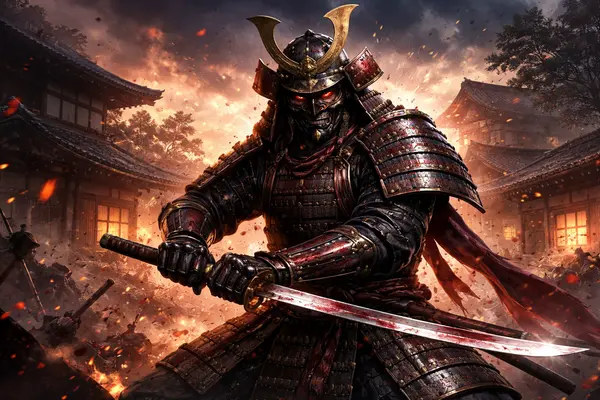
Samurai history has captured the imagination of people all over the world for decades. Whether it is the flash of a katana, the strict code of Bushido, or the stunning landscapes of feudal Japan, a great samurai show can transport viewers to another time. These warriors were not just fighters; they were complex figures bound by duty, honor, and political intrigue.
If you are looking for your next binge-worthy series, the genre of samurai television offers something for everyone. From animated masterpieces like Samurai Jack to historical epics like Shōgun, these stories explore themes of loyalty and revenge. In this guide, we will dive deep into what makes a samurai show so compelling, the top series to watch, and the history behind the legends.
What Defines a Truly Great Samurai Show?
When you search for a samurai show, you aren’t just looking for sword fights. While the action is crucial, the best series go much deeper. A high-quality show in this genre usually focuses on the character development of the protagonist. Viewers want to see the struggle between personal desire and the strict societal expectations of the samurai class.
Another defining factor is historical accuracy—or at least, respectful attention to detail. Even in fantasy settings, the armor, weapons, and fighting styles often reflect real history. The atmosphere plays a huge role as well. The best shows use sound design, music, and cinematography to build tension before a duel. It isn’t just about slashing enemies; it is about the silence before the strike. This blend of drama, history, and action is what keeps audiences coming back for more.
Top Live-Action Samurai Series for History Buffs
For those who love historical drama, live-action series provide a gritty, realistic look at the past. One of the most talked-about recent hits is Shōgun (2024). Based on the classic novel by James Clavell, this series immerses viewers in the political maneuvering of the Sengoku period. It is a perfect example of a samurai show that balances intense action with deep storytelling.
Another classic recommendation is the Japanese series Ryōmaden. It tells the story of Sakamoto Ryōma, a real-life samurai who played a key role in modernizing Japan. These shows often feature incredible costume design and sets that look like they were pulled straight from a museum. Watching live-action dramas helps viewers understand the weight of the armor and the brutality of the era, making the history feel immediate and real.
The Best Animated Samurai Shows of All Time
Animation allows for storytelling that live-action sometimes cannot achieve. In the world of anime, the samurai show genre is massive. A standout title is Samurai Champloo. This show mixes Edo-period history with modern hip-hop culture, creating a unique style that is both fun and profound. The fighting animation is fluid, and the characters are unforgettable.
Another masterpiece is Rurouni Kenshin. This story follows a former assassin who vows never to kill again, wielding a reverse-blade sword. It explores redemption and the cost of violence. For a more gritty and realistic take, Blue Eye Samurai on Netflix has recently gained critical acclaim for its stunning visuals and mature storytelling. Animation provides the freedom to exaggerate sword techniques and visualize the warrior’s spirit in ways cameras cannot capture.
Understanding the Code of Bushido in TV
Central to almost every samurai show is the concept of Bushido, or “the way of the warrior.” This unwritten code governed the samurai’s life, emphasizing virtues like loyalty, courage, honor, and self-discipline. Television shows often use Bushido as a source of conflict. What happens when a samurai’s duty to his lord conflicts with his conscience?
In many stories, the most interesting characters are the ronin—masterless samurai. Because they have no lord, they often struggle to find their place in a society that values hierarchy. This struggle makes them relatable to modern audiences. We see them trying to maintain their honor in a changing world, which adds emotional weight to the sword fights. Understanding Bushido helps you appreciate the subtle decisions characters make, turning a simple action scene into a moral dilemma.
Comparison: Live-Action vs. Anime Samurai Shows
Choosing between live-action and anime can be tough. Both mediums offer unique ways to experience a samurai show. Here is a quick breakdown to help you decide which style suits your mood tonight.
Feature | Live-Action (e.g., Shōgun) | Anime (e.g., Samurai Champloo) |
|---|---|---|
Visual Style | Realistic, gritty, historical sets | Stylized, artistic, fluid motion |
Action | Heavy, grounded physics, intense | Fast-paced, sometimes supernatural |
Storytelling | Focus on political drama and history | Often mixes fantasy or modern themes |
Pacing | Usually slower, more dialogue-heavy | Can be very fast or episodic |
Best For | History lovers and drama fans | Action fans and visual art lovers |
Why “Blue Eye Samurai” Became a Global Hit
One specific samurai show that took the world by storm recently is Blue Eye Samurai. This animated series stands out because it features a mixed-race protagonist seeking revenge in a closed-off Japan. It tackles themes of identity, gender, and belonging, which resonates strongly with modern viewers.
The show is praised not just for its story, but for its action choreography. The creators studied real martial arts to ensure the movements felt authentic, even within an animated setting. Blue Eye Samurai proves that the genre is evolving. It isn’t just about men in armor anymore; it’s about diverse voices and new perspectives on history. If you haven’t watched it yet, it is a prime example of how modern storytelling breathes new life into old traditions.
Historical Accuracy vs. Hollywood Fiction
When you watch a samurai show, you might wonder how much is true. Shows like Shōgun try very hard to be historically accurate, consulting historians on everything from how a bow is held to how tea is served. This dedication creates a rich, educational experience for the viewer.
However, many shows take creative liberties. This is often called chanbara (sword fighting) cinema, where the focus is on entertainment rather than strict history. For example, the famous “blind swordsman” trope seen in Zatoichi is more about myth-making than reality. It is important to enjoy these shows for what they are: entertainment inspired by history. While you might not learn the exact date of a battle, you will definitely learn about the spirit of the era.
The Role of Weapons: More Than Just Katanas
While the katana is the icon of the samurai, a good samurai show will feature a variety of weapons. You will often see the yumi (bow), which was actually the primary weapon of the samurai for centuries before the sword took over. Archery was considered a high art form, requiring immense focus and spiritual clarity.
You might also see the naginata (a polearm), often used by female warriors regarding the defense of their homes. Then there were the early firearms, or tanegashima, introduced by the Portuguese. Shows that include these weapons add layers of strategy to the battles. It isn’t just about who is the better swordsman; it is about who uses the right tool for the job. This tactical element makes battle scenes much more engaging to watch.
How to Choose the Right Samurai Show for You
With so many options, picking the right samurai show can be overwhelming. Start by asking what you want to feel. Do you want to cry over a tragic romance? Try Hakuoki. Do you want to laugh and see cool action? Gintama might be for you, as it is a comedy set in an alternate history version of feudal Japan.
If you want a serious, gritty crime drama set in the samurai era, look for shows labeled as jidaigeki (period dramas). Check reviews and trailers to get a sense of the tone. Don’t be afraid to try older shows, too; many classics from the 1970s and 80s set the standard for what we see today. Exploring different sub-genres ensures you never get bored.
Key Takeaways for New Viewers
- Genre Variety: Samurai content ranges from comedy to dark political thrillers.
- Medium: Both anime and live-action offer incredible storytelling.
- Themes: Look for themes of honor, revenge, and social change.
The Cultural Impact of Samurai Media in the West
The influence of the samurai show extends far beyond Japan. Western filmmakers have been inspired by these stories for generations. For instance, Star Wars was heavily influenced by Akira Kurosawa’s samurai films. The Jedi are essentially space samurai, complete with robes, swords (lightsabers), and a code of honor.
This cross-cultural exchange continues today. American productions like Westworld have featured “Shogun World,” paying homage to the genre. This global fascination proves that the core themes of samurai stories are universal. Courage, sacrifice, and discipline are values that resonate in every culture. By watching these shows, we aren’t just learning about Japan; we are connecting with universal human experiences.
Why Samurai Stories Are Still Relevant Today
You might ask why we are still obsessed with warriors from hundreds of years ago. The answer lies in the simplicity of their code in a complex world. In a modern society filled with gray areas, the samurai’s dedication to a clear path—Bushido—is appealing. A samurai show offers a form of escapism where honor is more important than money.
Furthermore, these shows often deal with the collapse of an era. The samurai class eventually ended during the Meiji Restoration, and many stories focus on this transition. This theme of adapting to rapid change mirrors our own fast-paced, digital world. Watching a samurai learn to navigate a modernizing Japan can be surprisingly relatable to anyone trying to keep up with today’s technology and shifting social norms.
Where to Stream the Best Samurai Content
Finding a great samurai show is easier than ever thanks to streaming platforms. Netflix has invested heavily in this genre, securing rights to both anime like Blue Eye Samurai and live-action movies. Crunchyroll is the go-to place for anime fans, hosting classic and new titles alike.
Other platforms like Hulu and Amazon Prime also have strong libraries. For those interested in deeper lifestyle content or reviews of pop culture trends related to these genres, you can explore resources like NCR Magazine. Checking these platforms regularly is a good idea, as they often rotate their libraries. Always look for the “Foreign” or “International” drama sections to find hidden gems that might not be on the front page.
Conclusion
Whether you are a history buff, an action fan, or someone who loves deep character dramas, there is a samurai show out there for you. These series offer a window into a fascinating past while telling stories that feel incredibly modern. From the philosophical questions of Rurouni Kenshin to the political intensity of Shōgun, the variety is endless.
By exploring this genre, you gain more than just entertainment; you gain an appreciation for a culture that valued honor above life itself. So, grab your remote, pick a series from this guide, and prepare to be transported to the land of the rising sun. The way of the warrior awaits you.
Frequently Asked Questions (FAQ)
1. What is the most realistic samurai show?
Shōgun (2024) is widely considered one of the most realistic recent productions, praised for its attention to historical detail, language, and cultural customs of feudal Japan.
2. Are samurai shows suitable for kids?
It depends on the show. Some animated series like Samurai Jack are generally safe for younger audiences, while others like Blue Eye Samurai or Shōgun contain graphic violence and mature themes suitable only for adults.
3. What is the difference between a samurai and a ronin?
A samurai serves a lord (daimyo) and belongs to a specific clan. A ronin is a masterless samurai—one whose lord has died or who has been cast out. Ronin were often looked down upon in feudal society.
4. Can I learn real history from these shows?
Yes, but with caution. While shows like Ryōmaden cover real historical figures and events, they often dramatize situations for entertainment. It is best to use them as a starting point for learning and verify facts with reliable sources like the Smithsonian Institution or Britannica.