When you think of the McDonald’s empire, the name Ray Kroc immediately comes to mind. As the driving force behind the global fast-food phenomenon, Kroc fundamentally changed the industry. However, personal stories behind such public figures are often overshadowed by business achievements. Among these untold stories stands Jane Dobbins Green, the second wife of Ray Kroc. She may not enjoy the same fame as her husband or his other wives, but her place in the McDonald’s narrative remains important.
In this article, we’ll explore the life of Jane Dobbins Green, her marriage to Ray Kroc, and the role she played in his story. By looking past the headlines, we gain a fuller picture of the woman who shared a significant chapter with one of America’s most prominent businessmen.
Key Takeaways
- Jane Dobbins Green was the second wife of McDonald’s founder Ray Kroc.
- Her marriage to Kroc was relatively short yet occurred during a crucial phase in the company’s expansion.
- Many people respected Jane Dobbins Green for her social grace and connections in high society.
- Learning about her life enhances our understanding of the personal history behind the McDonald’s brand.
Who Was Jane Dobbins Green?
Far from being merely a footnote in business history, Jane Dobbins Green experienced a world different from the bustling environment her husband thrived in. Raised amid elegance and charm, she brought a sense of sophistication to every social gathering. Even before meeting Kroc, her life included strong personal connections and notable social standing.
Rather than seeking the limelight, Jane moved gracefully through the societal circles of mid-20th-century America. Although specific details about her childhood remain private, reports note her poise and polished demeanor. These qualities appealed to Kroc, especially during the more chaotic periods in his career. While Ray attacked business challenges head-on, Jane represented traditional family values and a supportive home, offering a steady anchor rather than competition in the boardroom.
The Meeting of Jane Dobbins Green and Ray Kroc
Unlike a classic fairytale, the story of Jane Dobbins Green and Ray Kroc began in the midst of personal upheaval. At the time, Kroc remained married to his first wife, Ethel Fleming. His business was gathering momentum, and his personal life grew increasingly complex. Ray’s interest in Joan Smith (later Joan Kroc) had already emerged, though Joan was not available. Meanwhile, Jane Dobbins Green entered his social orbit.
Introduced through mutual acquaintances, Jane quickly made a strong impression on Ray. For a businessman facing intense pressures, her companionship provided comfort and stability. She came from a background of means, matching the image Kroc wanted for himself as a rising executive. The couple kept their courtship private, and soon after Ray’s divorce from Ethel, they married.
A High-Profile Marriage in the 1960s
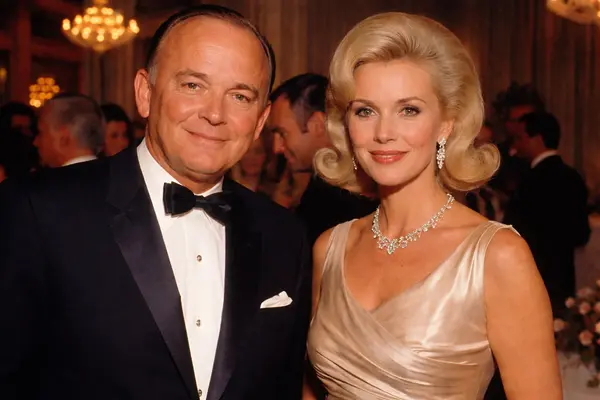
Ray Kroc and Jane Dobbins Green married in 1963, at a time of extraordinary change for McDonald’s and for the country. Throughout the 1960s, the company underwent rapid nationwide expansion. Marrying Ray meant Jane was swept up in a fast-paced world filled with business dinners, frequent travel, and high demands from a husband consumed by his work.
The wedding reflected Ray Kroc’s increasing prominence. While the ceremony did not draw royal-level attention, it carried real significance in the business community. By taking on the public role of Mrs. Ray Kroc, Jane regularly attended openings, hosted gatherings, and joined her husband at key events. Supporting a man as ambitious as Ray required patience and adaptability. For Jane, daily life combined luxury and challenges, especially since her husband’s devotion to his company often outweighed his personal engagement at home.
The Dynamics of Their Relationship
Navigating life with a high-powered personality presented challenges for anyone. The relationship between Jane Dobbins Green and Ray often looked harmonious from the outside, suggesting shared success. Still, their connection was complicated by Ray’s ongoing feelings for Joan Smith. Unspoken tensions lingered beneath the surface.
Although Jane dedicated herself to her family, Ray’s relentless focus and sometimes volatile nature affected their home. The pursuit of restaurant perfection often spilled into his personal life, forcing Jane to manage shifting moods and a challenging schedule. Despite her efforts to maintain harmony, the presence of unresolved feelings for another woman undermined the relationship’s foundation from the beginning.
Jane’s Role as a Stepmother and Socialite
Jane Dobbins Green did not have children with Ray Kroc, yet she became part of an already-established family. Kroc’s daughter, Marilyn, came from his first marriage. Adjusting to her role as a stepmother required extra sensitivity, particularly when business obligations kept Ray frequently absent.
Thriving as a socialite, Jane excelled in hosting gatherings and interacting with prominent figures. These skills proved valuable for Ray, whose business dealings often relied on networking and social charm. Jane’s polished image and ability to create welcoming environments enhanced Ray’s reputation, fostering stronger community and business ties. Even if their marriage lacked the passionate romance of Ray’s later life, Jane’s contributions to his image and to McDonald’s emergence as a trusted brand had lasting impact.
The End of the Marriage: Why They Divorced
The union of Ray Kroc and Jane Dobbins Green lasted only about five years, ending in 1968. Rather than any specific failing on Jane’s part, their separation reflected Ray’s unwavering interest in Joan Smith. After Joan became single, Ray promptly ended his marriage to pursue her.
For Jane, the experience meant stepping away from both marriage and public association with the McDonald’s brand. The divorce proceeded quickly, in keeping with Ray’s decisive approach to business and personal matters. Jane received a settlement, and she moved forward without fanfare or attempt to remain in the public eye.
Comparing Ray Kroc’s Three Wives
Comparing Kroc’s three marriages clarifies the distinct role Jane played during a formative era.
Feature | Ethel Fleming (1st Wife) | Jane Dobbins Green (2nd Wife) | Joan Kroc (3rd Wife) |
|---|---|---|---|
Marriage Duration | 1922–1961 (39 years) | 1963–1968 (5 years) | 1969–1984 (until Ray’s death) |
Role in His Life | Supported early ambitions, faced risks | Provided social stability during growth | Became his partner in philanthropy |
Business Connection | Opposed McDonald’s expansion | Supported social status, built connections | Took active interest, inherited fortune |
Personality | Traditional, risk-averse | Elegant, sociable, accommodating | Charismatic, generous, strong-willed |
Jane’s years with Ray represent the bridge between early struggles and the success and philanthropy that shaped his later years.
Life After Ray Kroc
Following her 1968 divorce, Jane Dobbins Green left the public sphere. Joan Kroc, in contrast, gained fame in later years for her philanthropy. Jane, however, chose privacy and moved on with her life quietly. She refrained from public commentary or seeking attention, even as McDonald’s influence grew worldwide.
While details about her later years are limited, her actions suggest a preference for private achievements and personal relationships over public attention. Rather than capitalize on her connection to a famous figure, Jane maintained dignity and discretion.
Notable External Resources
- Library of Congress – Ray Kroc Business History
- Smithsonian National Museum of American History – McDonald’s History
The Legacy of Jane Dobbins Green
Reflecting on Jane Dobbins Green‘s role, it’s clear that her understated presence contributed to Ray Kroc’s stability during pivotal business years. Though often overlooked in popular accounts, she helped create the home life that allowed Ray to focus on expansion.
Her quiet endurance, while not always in the spotlight, remains an important piece of the broader McDonald’s narrative. Jane’s story is an essential reminder that even the most public successes depend on support from less-visible partners.
Why Jane’s Story Matters Today
Readers often analyze the partners of business icons like Elon Musk or Jeff Bezos for insight into their success. In the same way, Jane Dobbins Green‘s story offers perspective on Ray Kroc’s personal and professional journey.
Moreover, her experience echoes the lives of many who take on supportive roles out of the public eye. Recognizing such contributions reminds us that behind corporate legends are real people whose support and sacrifices matter. If you’re interested in more stories of influential but lesser-known figures, you can find additional content at NCR Magazine.
Frequently Asked Questions (FAQ)
Did Jane Dobbins Green inherit McDonald’s money?
Jane Dobbins Green did not inherit the McDonald’s fortune after her divorce. Instead, she received a settlement, and Ray’s wealth ultimately went to Joan Kroc after his death.
How long were Ray Kroc and Jane Dobbins Green married?
Their marriage lasted about five years, from 1963 to 1968.
Did Jane Dobbins Green have children with Ray Kroc?
There were no children from her marriage to Ray. He did have a daughter, Marilyn, from his first marriage.
Was Jane Dobbins Green portrayed in the movie “The Founder”?
While the 2016 movie The Founder includes Ray Kroc’s personal relationships, Jane Dobbins Green’s story is condensed and dramatized for effect.
Where is Jane Dobbins Green buried?
Jane’s final resting place has not been widely publicized, reflecting her preference for privacy after leaving public life.