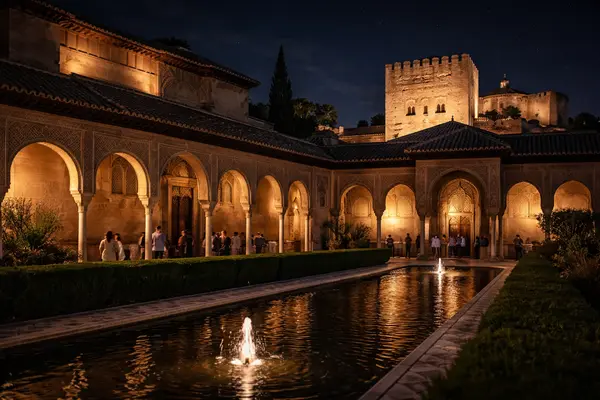
The Alhambra in Granada, Spain, is an icon of Islamic architecture and one of Europe’s most visited monuments. While daylight draws millions each year, growing demand for night tours has made evening visits both a unique experience and an important economic driver. Examining alhambra night tour attendance revenue reveals how after-dark tourism fuels preservation, enriches the local economy, and enhances visitor satisfaction.
As darkness settles, the Alhambra becomes a quieter, more intimate place. Crowds disperse, ambient lighting creates drama, and the rich details of the Nasrid Palaces and Generalife gardens come alive. The night tour is more than a romantic adventure. It is an expertly crafted product designed to maximize site utility, safeguard cultural heritage, and meet evolving visitor expectations.
Experiencing Alhambra: Why Night Tours Stand Out
Alhambra’s night visits differ sharply from daytime admissions. After-dark groups are limited, focusing on either the Nasrid Palaces or the Generalife gardens. Smaller crowds deliver a tranquil atmosphere where light, sound, and scent are heightened.
For the Patronato de la Alhambra y Generalife—the authority that manages the site—this exclusivity drives steady year-round demand. Tickets for night tours nearly always sell out well in advance. The premium experience justifies reliable revenue, which supports conservation and resource management.
Features That Set Night Visits Apart
- Reduced Capacity: Fewer visitors per slot for a calmer tour.
- Enhanced Atmosphere: Lighting reveals details often missed during the day.
- Specialized Routes: Visits focus on select areas, sparking return trips.
Night Tourism Economics in Granada: Revenue Insights
Understanding the structure of Alhambra evening tours revenue sheds light on why heritage sites increasingly embrace night-time offerings. Night tickets are strictly limited and targeted. While visitor numbers are lower than daytime, seats are rarely left empty. As a result, revenue per visitor remains high.
By utilizing the site both day and evening, the Alhambra generates more value from the same physical asset, essentially doubling fee potential without new construction. Revenue from these tours is reinvested directly into preservation, sustaining both the historic monument and the surrounding community.
Smarter Ticket Pricing: Maximizing Heritage Site Night Tour Income
Pricing is critical in balancing accessibility, exclusivity, and preservation. Alhambra’s night tours are set at competitive rates—not prohibitive, but reflecting the unique value.
Smaller group sizes do increase operational costs, as extra staff and security are needed after dark. However, robust sales allow the site to cover these expenses and invest in conservation initiatives. The scarcity of tickets also fuels a secondary market, with guides and tour operators purchasing blocks for tailored experiences.
Smart pricing strategies thus ensure alhambra night tour attendance revenue is resilient and focused on long-term sustainability.
Seasonal Patterns: How Visitor Numbers Ebb and Flow
Seasonality shapes Alhambra’s night tour attendance. Spring and autumn see heightened demand, as pleasant temperatures attract those seeking comfort and atmosphere.
Hot summer days push visitors to opt for cooler evenings, while winter brings earlier sunsets—making night tours accessible for families not wishing to stay out late. This flexibility helps maintain stable income even as overall tourism numbers fluctuate.
Adjusting schedules to match seasonal interest reflects best practices in the sector and keeps the Alhambra’s offering dynamic and relevant.
Alhambra After-Dark Visitor Numbers and Granada’s Local Economy
Tourists taking evening tours are more likely to spend the night in Granada, benefitting hotels, restaurants, and local businesses. Once their tour ends, many choose tapas in the Albaicín or Plaza Nueva or shop for souvenirs—fueling an economic ripple effect.
As highlighted by NCR Magazine, nightlife-centered travel drives late-night commerce, creating jobs and distributing tourism profits across the region.
The alhambra night tour attendance revenue figure thus becomes an indicator not only of site health but of Granada’s broader economic vitality.
Preservation and Limits: Balancing Tourism and Conservation
The Alhambra is fragile, and every additional visitor leaves a mark. Revenue from night tours is earmarked for restoration and ongoing protection. Striking the right balance is essential: increased attendance brings in funds, but excess numbers could spell long-term damage.
For this reason, the Patronato places strict limits on capacity. Managing heritage site night tour income means putting preservation ahead of short-term profits, ensuring the site endures for future generations.
Day vs. Night Visits: What’s the Real Difference?
Here’s a side-by-side look at day and night tours. Understanding these differences clarifies why evening tours command sustained, premium demand:
Feature | Day Visit (General Admission) | Night Visit (Nasrid Palaces or Gardens) |
|---|---|---|
Crowd Density | High (Thousands per hour) | Low (Strictly limited groups) |
Experience | Educational, expansive, photographic | Atmospheric, sensory, intimate |
Duration | 3–4 hours | 1–1.5 hours |
Primary Revenue Driver | Volume of tickets sold | Premium experience / scarcity |
Temperature | Hot in summer / Exposed | Cool / Comfortable |
Photography | Excellent for details | Challenging (no flash allowed) |
This comparison shows that while day tours rely on volume and varied access, night tours focus on creating a memorable and exclusive experience—a core reason for the consistent strength in alhambra night tour attendance revenue.
Managing Capacity: How Expertise Protects Experience and Revenue
The Patronato employs sophisticated forecasting, historical data, and safety assessments when determining how many night tickets to release. Keeping group sizes small minimizes risk, maintains the tranquil visitor experience, and safeguards the Alhambra’s global reputation.
These deliberate restrictions eliminate crowding and complaints while driving demand. Many book months in advance, enhancing revenue predictability and allowing better resource planning.
Future Outlook: Trends Shaping Heritage Night Tourism
Looking ahead, digital innovation—such as virtual experiences or augmented reality—may supplement but won’t replace the high value of on-site visits. Interest in “unique” and “authentic” travel remains strong, and the Alhambra’s after-dark offerings meet this demand well.
The focus will likely remain on balancing physical attendance with preservation. As tourism evolves, so too will revenue models, but physical tours will continue to be the mainstay of site income.
The Broader Impact: Night Tours as a Model for Heritage Sites
The Alhambra’s approach is recognized as a model within the sector, informing strategies at other historic landmarks. By offering differentiated, high-value experiences, sites can diversify revenue and protect themselves from market fluctuations.
Attention to night tourism economics in Granada has not only enhanced the monument’s sustainability but also fostered community-wide prosperity.
Key Takeaways
- Twice the Impact: Night tours enable increased site revenue without altering infrastructure.
- Supporting Granada: Evening visits stimulate business for local hotels and restaurants.
- Preservation First: Strict limits and reinvested funds protect the historic monument.
- Premium Demand: Scarce tickets create anticipation and promote early sales.
- Forward Focus: Expertise in managing demand ensures lasting site and community benefit.
Conclusion
Alhambra’s night tours illustrate the value of blending visitor experience, economic strategy, and cultural stewardship. Sustainable, well-managed alhambra night tour attendance revenue supports both preservation and the people of Granada.
For travelers, after-dark tours provide a new perspective on history. For heritage professionals, they offer insight into balancing access, income, and conservation—making the Alhambra a benchmark for global best practice.
Frequently Asked Questions (FAQ)
1. Are Alhambra night tours pricier than day tours?
Night tours usually cost about the same or less but cover fewer areas, so the price per hour is higher.
2. Can I see the full Alhambra at night?
No. Night tickets are for either the Nasrid Palaces or the Generalife, not both.
3. Are night tours offered daily?
No, night tours run on select nights—often weekends or set days, depending on season.
4. Is a night visit worth it if I’ve toured during the day?
Yes. The ambiance and lighting provide a very different, quieter experience.
5. How soon should I book a night ticket?
It’s best to reserve 1–2 months ahead, as tickets sell out due to limited capacity.