




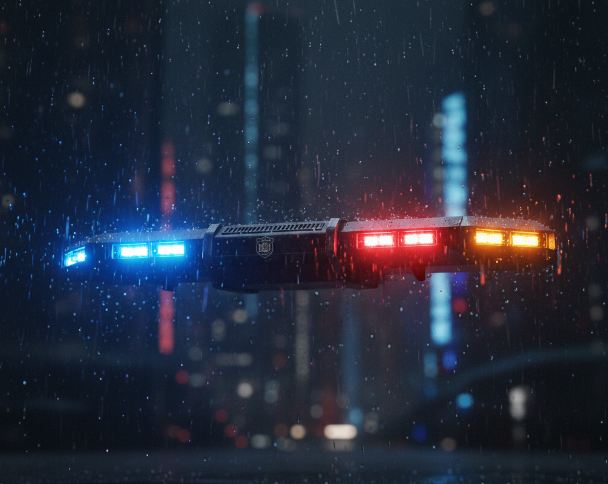
When it comes to vehicle safety and visibility, having the right lighting is not just a preference; it’s a necessity. Whether you’re navigating off-road trails after dusk, responding to an emergency, or working in low-light conditions, your vehicle’s illumination system is your first line of defense. The nv49a lightbar has emerged as a powerful solution, offering a blend of durability, brightness, and advanced features designed to meet the demands of various applications. This comprehensive guide will explore everything you need to know about this impressive piece of equipment, from its core features to installation and maintenance.
We will break down why this specific lighting solution might be the perfect upgrade for your vehicle. Understanding the technology, benefits, and practical uses will help you make an informed decision. Let’s dive into what makes the nv49a lightbar stand out in a crowded market of vehicle lighting options.
Key Takeaways
- The nv49a lightbar offers exceptional brightness and clarity, significantly improving visibility in dark or adverse weather conditions.
- It is built with high-quality, durable materials, making it resistant to water, dust, and impacts, which is ideal for rugged use.
- Versatile mounting options and multiple lighting modes make it suitable for a wide range of vehicles, including trucks, SUVs, and emergency service vehicles.
- Proper installation is key to performance and safety. Following the manufacturer’s guidelines or seeking professional help is highly recommended.
- Regular maintenance, such as cleaning the lens and checking connections, will extend the life and ensure the optimal performance of the lightbar.
What Exactly Is an NV49A Lightbar?
At its core, the nv49a lightbar is a high-performance, auxiliary lighting system designed to be mounted on a vehicle. Unlike standard factory headlights, it is engineered to project a much brighter and wider beam of light over a longer distance. This is achieved through the use of advanced Light Emitting Diode (LED) technology, which is known for its efficiency, longevity, and powerful output. These lightbars are not just about raw power; they are also about control. Many models come with multiple lighting patterns, such as flood beams for broad, short-range illumination and spot beams for focused, long-distance visibility. Some even offer amber or other colored lighting options for specific situations, like cutting through fog or dust. This versatility makes it an invaluable tool for anyone who requires superior lighting beyond what their stock vehicle can provide.
The Technology Behind the Brightness
The secret to the impressive performance of modern lightbars lies in LED technology. LEDs are semiconductor devices that emit light when an electric current passes through them. Compared to older halogen or HID (High-Intensity Discharge) bulbs, LEDs are far more efficient, converting more electricity into light and less into wasted heat. This efficiency means you get more brightness for the amount of power consumed, putting less strain on your vehicle’s electrical system.
Furthermore, the design of the optics—the lenses and reflectors surrounding each LED chip—plays a crucial role. Manufacturers spend significant resources developing optics that shape the light beam precisely. This ensures the light is directed exactly where it’s needed, maximizing visibility without creating excessive glare for oncoming drivers. This focus on controlled, efficient light output is what sets a quality nv49a lightbar apart from cheaper, less effective alternatives.
Key Features and Specifications to Look For
When you’re shopping for a vehicle lightbar, certain specifications are more important than others. Here are the key features you should pay attention to:
- Lumen Output: This measures the total amount of visible light emitted by the source. Higher lumens generally mean a brighter light, but the beam pattern is just as important.
- Ingress Protection (IP) Rating: This two-digit number indicates the lightbar’s resistance to solids (like dust) and liquids (like water). An IP67 or IP68 rating is common, signifying it is well-protected against the elements. You can learn more about these ratings from authorities on electronics standards.
- Beam Pattern: Look for a combination of spot and flood patterns. A combo beam provides the best of both worlds: wide peripheral vision and long-distance illumination.
- Color Temperature: Measured in Kelvin (K), this describes the color of the light. A rating between 5000K and 6000K produces a bright, white light similar to daylight, which is excellent for clarity.
- Build Materials: A durable aluminum housing helps with heat dissipation, and a polycarbonate lens offers high impact resistance.
Top Benefits of Installing an NV49A Lightbar
Upgrading your vehicle with an nv49a lightbar brings a host of practical benefits that enhance both safety and functionality. The most immediate advantage is the dramatic improvement in nighttime visibility. Stock headlights are often adequate for well-lit urban streets, but they fall short on dark country roads, remote trails, or in severe weather. A powerful lightbar can illuminate the path ahead for hundreds of meters, giving you more time to react to obstacles, wildlife, or sharp turns. This added reaction time is a critical safety feature that can help prevent accidents. The peace of mind that comes with being able to see clearly in challenging conditions is invaluable for any driver.
Enhanced Safety in All Conditions
Safety is the number one reason drivers invest in auxiliary lighting. An nv49a lightbar doesn’t just help you see; it helps you be seen. In heavy rain, snow, or fog, your vehicle becomes more visible to others on the road, reducing the risk of collisions. This is particularly important for those who operate work vehicles or respond to emergencies, where being conspicuous can be a matter of life and death. The powerful illumination also cuts through dust clouds on off-road trails, ensuring you and others in your group can maintain safe distances. According to the National Highway Traffic Safety Administration (NHTSA), a significant number of fatal crashes occur at night, and poor visibility is a major contributing factor. Improving your vehicle’s lighting is a direct step toward mitigating that risk.
Versatility for Work and Recreation
The utility of a high-quality lightbar extends beyond just driving. For professionals in construction, agriculture, or towing, it turns a vehicle into a mobile work light. It can illuminate an entire worksite, making tasks safer and more efficient after sunset. For outdoor enthusiasts, it’s an essential piece of gear for camping, fishing, or navigating trails. Setting up camp in the dark becomes a simple task when you can flood the area with bright, clean light. This dual-purpose functionality makes it a smart investment, providing value both on and off the road. Its rugged construction ensures it can handle the demanding environments associated with both professional work and recreational adventures.
Comparing Lightbar Technologies
When choosing a lightbar, it’s helpful to understand how different types compare. The market offers a few main technologies, each with its own pros and cons.
Feature | LED | HID (High-Intensity Discharge) | Halogen |
|---|---|---|---|
Brightness | Very High | High | Moderate |
Lifespan | 30,000 – 50,000+ hours | 2,000 – 4,000 hours | 500 – 1,000 hours |
Durability | Excellent (solid-state) | Good (contains fragile parts) | Fair (fragile filament) |
Efficiency | Very High | High | Low |
Cost | Moderate to High | Moderate | Low |
Warm-up Time | Instant On | Requires warm-up time | Instant On |
As the table shows, LED technology, which is used in the nv49a lightbar, is the superior choice in almost every category. Its incredible lifespan, durability, and efficiency make the higher initial cost a worthwhile investment over time.
Installation Guide: Getting It Right
Properly installing your nv49a lightbar is crucial for its performance and longevity, as well as for the safety of your vehicle’s electrical system. While the process can be a do-it-yourself project for those with some mechanical and electrical knowledge, we always recommend consulting a professional if you are unsure. The basic steps involve mounting the lightbar, running the wiring, and connecting it to a power source. Most kits come with a wiring harness that includes a relay, fuse, and switch, which simplifies the process and protects your vehicle’s circuitry. Incorrect wiring can lead to short circuits, damage to the lightbar, or even a vehicle fire, so taking your time and doing it correctly is paramount.
Choosing the Right Mounting Location
Where you mount your lightbar affects both its performance and the vehicle’s aesthetics. Common locations include the roof, front bumper, or grille.
Roof Mounting
Mounting the lightbar on the roof provides the highest vantage point, casting a wide beam with minimal shadows from the vehicle’s hood. However, this position can sometimes cause glare on the windshield or hood, and it may produce wind noise at higher speeds.
Bumper or Grille Mounting
A bumper or grille mount is a more discreet option. It keeps the lightbar lower, reducing hood glare and wind noise. This placement is excellent for illuminating the immediate path ahead and is often easier to wire. The choice depends on your specific needs for light projection and your personal preference for how it looks on your vehicle.
Wiring and Electrical Connections
The wiring harness is the heart of the installation. Typically, you will connect the positive lead to your vehicle’s battery, the negative lead to a chassis ground, and run the switched wire into the cabin to the control switch. The included relay is a critical component; it uses a low-power signal from the switch to control the high-power circuit for the lightbar. This prevents the high current from running through the switch itself, which is a major safety feature. Always ensure the inline fuse is installed close to the battery to protect the entire circuit. As noted by some experts in automotive customization, like those at ncrmagazine, taking care with your electrical work prevents future headaches.
Maintaining Your Lightbar for Peak Performance
To ensure your nv49a lightbar continues to perform at its best for years to come, a little routine maintenance goes a long way. The good news is that high-quality lightbars are designed to be low-maintenance. The most important task is to keep the lens clean. Dirt, mud, and bug splatter can significantly reduce light output and distort the beam pattern. A simple wash with soap and water and a soft cloth is usually all that’s needed. Avoid using abrasive cleaners or rough materials that could scratch the polycarbonate lens. A clean lens ensures you’re getting the full power and clarity the lightbar was designed to deliver.
Periodically, it’s also a good idea to inspect the mounting hardware and wiring. Vibrations from driving can sometimes loosen bolts over time, so check to make sure the lightbar is still secure. Examine the wiring for any signs of wear, chafing, or corrosion, especially at the connection points. Ensuring all connections are tight and protected from the elements will prevent electrical issues and keep your lightbar shining brightly. This simple check-up can be done during regular vehicle maintenance and takes only a few minutes.
Conclusion
The nv49a lightbar is more than just an accessory; it is a vital safety and utility upgrade for any vehicle. Its powerful illumination, durable construction, and versatile features provide confidence and capability in any low-light situation. Whether you are an off-road enthusiast, a tradesperson working past sunset, or simply a driver who wants the best possible visibility on dark roads, this lighting solution delivers outstanding performance. By understanding its features, installing it correctly, and performing basic maintenance, you can unlock its full potential and enjoy the benefits of superior illumination for many years. When safety and performance matter most, investing in quality lighting is one of the smartest decisions you can make for your vehicle.
Frequently Asked Questions (FAQ)
Is an NV49A lightbar legal for street use?
Laws regarding auxiliary lighting vary by state and municipality. In general, high-powered lightbars are intended for off-road use only and should not be used on public roads where they could blind other drivers. Always cover your lightbar when driving on public highways and check your local regulations.
How much power does an NV49A lightbar draw from the battery?
Power draw, measured in amps, depends on the size and power of the lightbar. This information is typically provided by the manufacturer. It’s important to ensure your vehicle’s alternator and battery can handle the additional load, though most modern wiring harnesses with relays manage this efficiently.
Can I install the lightbar myself?
Yes, if you have experience with basic automotive wiring and mechanical work, installation can be a DIY project. Most lightbars come with instructions and a complete wiring harness. However, if you are not comfortable with vehicle electronics, professional installation is strongly recommended to ensure safety and proper function.
What does the IP rating (e.g., IP67) mean?
The IP rating indicates the lightbar’s level of protection against dust and water. The first digit (e.g., ‘6’) refers to solid particle protection (6 is dust-tight), and the second digit (e.g., ‘7’) refers to liquid ingress protection (7 means it can be submerged in water up to 1 meter for 30 minutes). A higher rating means better weather resistance.