





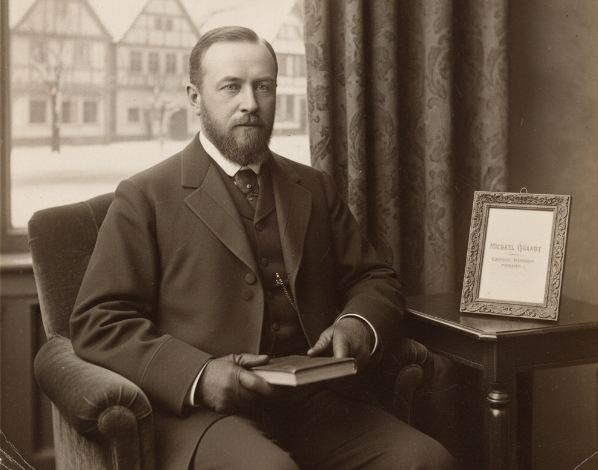
Genealogy connects us to our ancestors and brings old stories to life. If you are researching your family past, you may have come across the name Michael Quandt born Wurchow Pommern. This article will help you discover who Michael Quandt was, what Wurchow was like, and how both fit into the history of Pomerania (Pommern). You’ll also find helpful tips and resources for tracing family roots from this region.
Key Takeaways
- The story of Michael Quandt is tied closely to the village of Wurchow (now Wirchowo, Poland) and the region of Pomerania.
- Pomerania’s cultural identity and borders have shifted over the centuries.
- Researching ancestors from this area can be challenging but rewarding, with records in German, Polish, and sometimes Latin.
- The Quandt surname has deep German roots and isn’t exclusive to one famous family.
- Today, Wurchow is known as Wirchowo and is part of Poland.
Who Was Michael Quandt?
Michael Quandt born Wurchow Pommern likely lived during the 18th or 19th century in a rural part of Pomerania, which was under the Kingdom of Prussia at the time. Daily life revolved around farming, family, religion, and adapting to the changes in government and society. While specific details might be lost, church and civil records may hold clues about his life. For anyone with ancestors from Wurchow, finding information about Michael Quandt can offer a powerful connection to the past.
What’s in a Name?
Quandt is a German surname with roots across the German-speaking world. While some people may know the name from a wealthy industrial family, Michael Quandt born Wurchow Pommern was more likely part of the region’s many farming families. Names could be spelled differently over time or in various records—sometimes as Quant, Kwant, or Quandt.
All About Wurchow—Now Wirchowo
Wurchow was a small village in Farther Pomerania, also called Hinterpommern. Before 1945, it belonged to the Kreis Neustettin district in Prussia. The people living there were mostly German-speaking Protestants, and most made their living from farming.
Everyday Life in Old Wurchow
In Michael Quandt’s time, village life was slow-paced and centered around the church and the land. Villagers grew crops, tended animals, and participated in religious and seasonal festivals. The church was the center of social life, and records kept by the pastor are valuable sources for family research. Like many small towns, Wurchow faced its share of hardships, including bad harvests and changes in leadership.
Big Changes: German to Polish Control
After World War II, Pomerania (including Wurchow) underwent a transformation. The Potsdam Agreement shifted the border, so the area became part of Poland. German residents were forced to leave, and Polish families moved in. The village was renamed Wirchowo. For anyone researching Michael Quandt born Wurchow Pommern, this change is crucial for understanding family movements and where to find records.
The Pomerania (Pommern) Story
Pomerania is a region along the Baltic Sea, stretching between modern Germany and Poland. It has been shaped by different cultures, rulers, and wars. Understanding Pomerania’s history helps explain why records can be found across countries and in different languages.
A Region of Change
Borders in Pomerania shifted often. Here’s a simple table showing major changes in rule:
Time Period | Who Ruled | What Changed? |
|---|---|---|
Before 1648 | Duchy of Pomerania | Local German dukes under the Holy Roman Empire. |
1648–1720 | Brandenburg-Prussia | More Prussian influence after the Thirty Years’ War. |
1720–1918 | Kingdom of Prussia | Fully a Prussian province. |
1918–1945 | Germany | Part of Weimar and then Nazi Germany. |
1945–Present | Poland | Became Polish; German residents expelled. |
Culture and Language
People in Pomerania spoke Low German (Plattdeutsch), and their lives centered on farming and fishing. The Protestant Reformation had a big impact, making church life and records very important for anyone studying family history.
How to Research Pomeranian Ancestors
Tracing someone like Michael Quandt born Wurchow Pommern is a bit of a treasure hunt. You may need to look through records written in old German, Polish, or even Latin and be open to different spellings and locations.
Helpful Resources
- Church Records (Kirchenbücher): Baptisms, marriages, and deaths are often recorded here.
- Civil Records (Standesamt): More detailed records after 1876.
- Online Databases: Try websites like FamilySearch, Ancestry, or Germany’s Archion.
- Gazetteers: These help you match old village names with today’s borders—Meyers Gazetteer is a popular tool.
- Polish State Archives: These archives are also putting many documents online.
Top Research Tips
- Be Flexible With Spellings: Search for similar names or phonetic versions (e.g., Quant, Quand).
- Find the Parish: Villages were tied to a main church. Identifying the parish can unlock the right records.
- Know the Timeline: Research before 1876 will rely mostly on church records; civil records began after this date.
- Connect With Others: Join genealogy groups or Pomeranian forums. You’ll find support and maybe even distant cousins.
The Meaning of Heritage
The story of Michael Quandt born Wurchow Pommern is about more than just one person. It reflects an entire region’s experience—where families lived for centuries until borders shifted and life changed overnight. Many descendants of Pomeranian Germans now live in America, Canada, and across Europe. Researching your roots helps keep these traditions and stories alive.
Quick Facts and Comparison
Here’s a bullet list to sum up why Wurchow/Pomerania matters:
- Part of a region with German and then Polish history.
- The name “Quandt” is well-known but common in Germany.
- Records could be in German, Polish, or Latin and are found in both countries.
- Wurchow is now Wirchowo, Poland.
And a quick comparison:
Topic | Before 1945 (Wurchow) | After 1945 (Wirchowo) |
|---|---|---|
Country | Germany | Poland |
Language | German | Polish |
Main Religion | Protestant | Catholic/Protestant |
Population Origins | German | Polish |
Conclusion
Researching Michael Quandt born Wurchow Pommern is both a challenge and a gift. It brings to light stories about family, faith, and the power of place. Tracing your ancestry here means learning about two countries, shifting borders, and the resilience of everyday people.
If you need more help, genealogy websites, heritage societies, and resources like ncrmagazine are great places to start. For official information and records, sites like the U.S. National Archives and German or Polish archives can be invaluable.
Frequently Asked Questions (FAQ)
Where is Wurchow?
Now called Wirchowo, it’s in northwestern Poland, once part of Prussia.
Are all Quandts related to the industrialist family?
No. Quandt is a common German surname, especially among farmers and craftsmen.
Why is researching Pomeranian family history difficult?
Borders changed, names changed, and records are in German, Polish, and sometimes Latin.
What language are old records in?
Most are in German until 1945, then in Polish.
How can I find my ancestor’s records?
Start with church or civil records linked to the right parish or village. Check online databases, and reach out to genealogy forums for tips.