




Have you ever come across a term online that made you stop and think? The phrase “the toxic wife . malena doll” has been gaining attention, sparking conversations about relationships, societal expectations, and personal identity. This concept isn’t about a literal doll but represents a complex archetype that blends historical cinematic influences with modern discussions on relationship dynamics. Understanding this trend involves looking at its origins, the characteristics associated with it, and why it resonates with so many people today. It’s a journey into how media, psychology, and personal experiences intertwine.
- Key Takeaways
- Understanding the Origin: The Film Malèna
- What Defines “The Toxic Wife . Malena Doll” Archetype?
- The Psychology Behind the Archetype
- Comparing Healthy vs. Toxic Relationship Dynamics
- The Societal Influence and Media Portrayal
- Navigating a Relationship with This Archetype
- Can This Behavior Be Changed?
- Conclusion: Moving Beyond the Archetype
This article will explore the layers behind “the toxic wife . malena doll” phenomenon. We’ll trace its roots back to the film Malèna, define the traits of this archetype, and discuss the psychological reasons it has become a point of fascination. By examining both the perceived positives and the undeniable negatives, we can gain a clearer picture of what this trend truly represents and its impact on modern relationships.
Key Takeaways
- The “toxic wife . malena doll” is a cultural archetype, not a physical object, inspired by the 2000 film Malèna.
- It represents a blend of idealized beauty, perceived victimhood, and manipulative behaviors within a relationship.
- This trend highlights societal pressures on women and complex psychological dynamics like victim mentality and passive-aggression.
- While some see it as a symbol of reclaiming power, it often promotes unhealthy relationship patterns.
- Recognizing and addressing toxic traits, whether in oneself or a partner, is crucial for building a healthy, respectful partnership.
Understanding the Origin: The Film Malèna
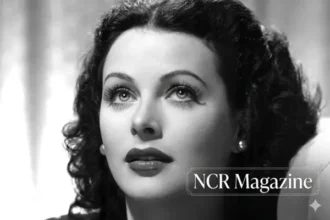
To grasp the concept of “the toxic wife . malena doll,” we must first look at its source of inspiration: the 2000 Italian film Malèna. Directed by Giuseppe Tornatore and starring Monica Bellucci, the movie is set in a small Sicilian town during World War II. The main character, Malèna Scordia, is a stunningly beautiful woman whose husband is away at war. Her beauty becomes both a source of admiration and intense scrutiny from the townspeople. Men desire her, and women, fueled by envy and suspicion, spread malicious rumors about her. Malèna endures isolation, judgment, and hardship, all while maintaining a stoic and distant demeanor.
The film paints a powerful picture of how society can both idolize and destroy a woman based on her appearance. Malèna’s story is one of tragedy and resilience, as she is victimized by the very community that obsesses over her. This cinematic portrayal is the foundation of the archetype. The “Malèna doll” part of the phrase refers to her perceived perfection and the way she is objectified, seen as something to be looked at rather than a person with feelings and agency. Her story is a critical starting point for understanding the complexities of the modern trend.
What Defines “The Toxic Wife . Malena Doll” Archetype?
The modern interpretation of “the toxic wife . malena doll” takes the cinematic character and transforms her into a behavioral archetype within a romantic relationship. It’s a blend of specific traits and behaviors that create a complex and often challenging partner dynamic. This isn’t about a single negative action but a consistent pattern of behavior that can erode the health of a relationship over time. The archetype combines an outward appearance of vulnerability and beauty with underlying manipulative tendencies.
At its core, this archetype is defined by a sense of entitled victimhood. The individual may believe they are constantly wronged by their partner and the world, much like Malèna was by her town. This perception is used to justify passive-aggressive behaviors, emotional withdrawal, and a lack of accountability. They may appear helpless or fragile to elicit sympathy and control situations, all while harboring deep-seated resentment. This creates a confusing environment for their partner, who may feel like they are always walking on eggshells, trying to appease someone who is never truly satisfied.
Core Characteristics and Behaviors
To better identify this pattern, it’s helpful to break down the specific characteristics. These traits often exist on a spectrum and can manifest in various ways depending on the individual and the relationship.
- Weaponized Victimhood: Consistently portraying oneself as the victim to gain sympathy, avoid responsibility, or manipulate a partner’s emotions.
- Passive-Aggression: Expressing negative feelings indirectly through actions like the silent treatment, backhanded compliments, or subtle sabotage instead of open communication.
- Emotional Unavailability: Creating distance and appearing emotionally withdrawn, making it difficult for a partner to connect on a deeper level. This forces the partner into a constant state of pursuit.
- Idealized Exterior: Placing a strong emphasis on physical appearance and maintaining a “perfect” image, similar to how Malèna was objectified. This image can be used as a form of social currency or a shield.
- Lack of Accountability: Refusing to acknowledge one’s own role in conflicts or problems, instead shifting blame onto the partner or external circumstances.
The Psychology Behind the Archetype
Why does this particular archetype resonate with people, and what psychological factors contribute to these behaviors? The “toxic wife . malena doll” trend taps into deep-seated psychological concepts, including learned helplessness, attachment styles, and narcissistic traits. Understanding these underlying mechanisms is key to comprehending why someone might adopt this persona and why it can be so damaging to a relationship.
Learned helplessness, a concept explored by psychologist Martin Seligman, occurs when a person endures repeated painful or adverse situations without any ability to escape or change them. Over time, they may stop trying to change their circumstances, even when opportunities arise. For the “Malèna doll” archetype, this can manifest as a genuine belief that they are powerless, leading them to adopt indirect methods of control. They may feel that direct confrontation is futile, so they resort to manipulation and passive-aggression to get their needs met. This is often not a conscious, malicious choice but a deeply ingrained coping mechanism developed from past experiences.
The Role of Narcissism and Attachment
Narcissistic traits can also play a significant role. While not necessarily indicating a full-blown narcissistic personality disorder (NPD), traits like a sense of entitlement, a need for admiration, and a lack of empathy are central to this archetype. The focus on an idealized exterior and the use of victimhood to control others align with covert narcissistic behaviors. Furthermore, insecure attachment styles, often developed in childhood, can contribute. An individual with an anxious-preoccupied or fearful-avoidant attachment style may crave intimacy but simultaneously fear rejection, leading to the confusing push-and-pull dynamic seen in this archetype.
Comparing Healthy vs. Toxic Relationship Dynamics
It’s crucial to distinguish between a partner having a bad day and a consistent pattern of toxic behavior. All relationships have challenges, but healthy partnerships are built on a foundation of mutual respect, communication, and effort. The table below highlights the key differences between the dynamics found in a healthy relationship versus one influenced by the “toxic wife . malena doll” archetype.
Feature | Healthy Relationship | “Toxic Wife . Malena Doll” Dynamic |
|---|---|---|
Communication | Open, honest, and direct. Problems are discussed constructively. | Indirect, passive-aggressive. Issues are hinted at or ignored. |
Accountability | Both partners take responsibility for their actions and apologize. | Blame is consistently shifted; apologies are rare or insincere. |
Conflict Resolution | Conflicts are seen as problems to be solved together. | Conflicts are used to create drama, elicit guilt, or gain control. |
Emotional Support | Support is mutual, and vulnerability is met with empathy. | Support is one-sided; vulnerability is used as a tool for manipulation. |
Individuality | Both partners have separate identities and support each other’s growth. | The partner’s identity is consumed by managing the other’s emotions. |
Recognizing these differences is the first step toward building healthier connections. For more insights on relationship health, our friends at ncrmagazine offer valuable perspectives.
The Societal Influence and Media Portrayal
The rise of “the toxic wife . malena doll” as a social media trend isn’t happening in a vacuum. It reflects broader societal conversations about gender roles, power dynamics, and what is expected of women in relationships. On one hand, some may see this archetype as a form of rebellion against traditional expectations. By adopting a “Malèna” persona, an individual might feel they are taking back control in a world that often tries to dictate their behavior. It can be viewed as a distorted form of female empowerment, where manipulation is mistaken for strength.
However, this interpretation is problematic. Rather than challenging harmful stereotypes, it often reinforces them. The archetype perpetuates the idea that a woman’s primary value is her beauty and that her power lies in her ability to control men through emotional games. It sets a dangerous precedent for relationships, suggesting that toxicity is not only acceptable but also desirable or “iconic.” Media platforms like TikTok and Instagram can amplify these ideas, presenting the archetype through stylized edits and trends that romanticize the pain and drama, stripping away the real-world consequences of such behaviors.
Is It a Cry for Help?
Another perspective is that the adoption of this persona is a cry for help. An individual who feels unseen, unheard, and powerless may resort to these behaviors because they don’t know any other way to express their pain or get their needs met. The dramatic and attention-grabbing nature of this archetype ensures that they can no longer be ignored. It becomes a maladaptive strategy for seeking the love and validation they crave but don’t know how to ask for directly. This highlights the importance of empathy and looking beyond the behavior to the underlying emotional distress.
Navigating a Relationship with This Archetype
If you recognize these patterns in your partner, navigating the relationship can be incredibly challenging. It often feels like a one-sided effort, where you are constantly trying to fix, please, and understand someone who remains distant and dissatisfied. The emotional toll can be immense, leading to feelings of confusion, frustration, and burnout. The first step is to establish firm boundaries. You must protect your own mental and emotional well-being by deciding what behaviors you will and will not accept.
Communication, while difficult, is essential. Try to express how your partner’s actions affect you using “I” statements to avoid placing blame. For example, say “I feel hurt when I receive the silent treatment” instead of “You are always ignoring me.” However, it’s important to recognize that you cannot change another person. Your partner must be willing to acknowledge their behavior and want to change. Professional help, such as couples counseling or individual therapy, can provide a neutral space to address these deep-seated issues. Resources from organizations like the National Domestic Violence Hotline can also offer support and guidance, even if the situation doesn’t involve physical abuse.
Can This Behavior Be Changed?
Change is possible, but it requires self-awareness and a genuine commitment from the person exhibiting the toxic traits. The journey begins with recognizing the harm their behavior is causing to themselves and their loved ones. This is often the most difficult step, as it involves dismantling a long-held identity built around victimhood and indirect control. The person must be willing to let go of the perceived “power” that comes with this persona and learn new, healthier ways of relating to others.
Therapy is an invaluable tool in this process. A therapist can help the individual explore the root causes of their behavior, such as past trauma, insecure attachment, or learned helplessness. Cognitive Behavioral Therapy (CBT), for instance, can help identify and reframe negative thought patterns that lead to manipulative actions. Learning skills for direct communication, emotional regulation, and self-compassion is fundamental to this transformation. It is a long and challenging road, but one that leads to more authentic and fulfilling relationships. A great place to start is understanding emotional intelligence, a topic covered extensively in educational resources like this guide from Harvard University.
Conclusion: Moving Beyond the Archetype
The “toxic wife . malena doll” trend is more than just a fleeting internet phenomenon; it is a cultural mirror reflecting our complex and often contradictory views on beauty, power, and relationships. It highlights the lasting impact of cinematic portrayals and the ways we internalize and reinterpret them in our own lives. While the archetype may be romanticized online, its real-world application fosters unhealthy dynamics built on manipulation, emotional distance, and a lack of accountability.
Ultimately, building a strong and lasting partnership requires moving beyond such limiting and damaging roles. Healthy relationships thrive on mutual respect, open communication, and a shared commitment to growth. It’s about seeing our partners—and ourselves—as complete human beings, not as archetypes or dolls. By fostering self-awareness and learning healthier ways to communicate and connect, we can break free from toxic patterns and build the authentic, supportive relationships we all deserve.
Frequently Asked Questions (FAQ)
Q1: Is the “toxic wife . malena doll” a real person?
No, it is not a real person or a physical doll. It is a behavioral archetype inspired by the main character of the 2000 film Malèna, used to describe a specific set of toxic traits in a relationship.
Q2: What is the difference between this archetype and being introverted?
Introversion is a personality trait characterized by a preference for calm environments and gaining energy from solitude. It is not inherently toxic. The “Malèna doll” archetype, however, involves intentional emotional withdrawal and passive-aggression used to manipulate or control a partner, which is a behavioral pattern, not a personality type.
Q3: Can a man exhibit the traits of this archetype?
Absolutely. While the term uses “wife,” the toxic behaviors—weaponized victimhood, passive-aggression, emotional unavailability—are not gender-specific. A man can certainly exhibit these traits within a relationship, and the impact is just as damaging.
Q4: How can I support a partner who wants to change these behaviors?
Support them by encouraging therapy, practicing patience, and celebrating small steps toward progress. Maintain your own boundaries and engage in couples counseling to learn how to build new, healthier patterns together. It is a journey you can support but cannot lead for them.
Q5: Is it always best to leave a relationship with these toxic dynamics?
The decision to stay or leave is deeply personal. If your partner is self-aware, willing to work on their behavior, and actively seeking help, there may be a path forward. However, if there is no accountability or willingness to change, prioritizing your own mental and emotional health may require you to leave the relationship.