




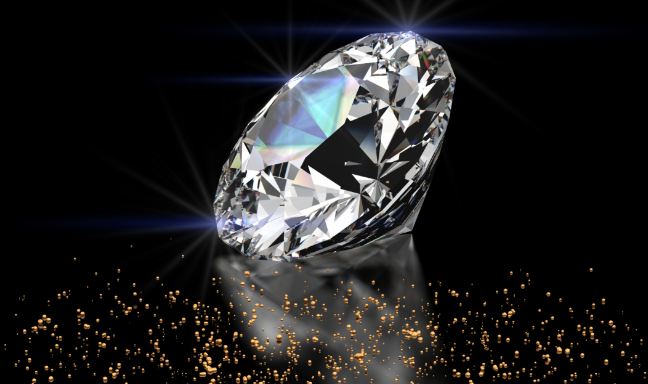
Choosing a diamond is a deeply personal journey, often tied to significant life moments. While many focus on the famous four Cs—cut, color, clarity, and carat—the specific dimensions of a diamond play a crucial role in its visual appeal and overall character. One such set of measurements, the 8.17×5.64×3.52 diamond, represents a beautifully proportioned stone, likely an oval cut, that captivates with its unique presence. This article will guide you through everything you need to know about a diamond with these precise dimensions, exploring its shape, brilliance, and how it compares to other options. We will delve into why these numbers matter and how they translate into the stunning gem you might be considering for your next piece of jewelry.
- Understanding Diamond Dimensions: More Than Just Carat Weight
- Deciphering the Shape: The Oval Cut Connection
- Evaluating the “Bow-Tie Effect”
- How Carat Weight Relates to These Dimensions
- Comparing an Oval Cut to Other Popular Shapes
- Setting Styles that Complement an Oval Diamond
- Key Takeaways
- Making an Informed Decision
- Frequently Asked Questions (FAQ)
Understanding Diamond Dimensions: More Than Just Carat Weight
When we talk about a diamond’s size, the conversation often begins and ends with carat weight. However, carat is a measure of weight, not visual size. The physical measurements, such as those of an 8.17×5.64×3.52 diamond, tell a more complete story. These three numbers represent the diamond’s length, width, and depth, respectively. For any diamond that isn’t perfectly round, these measurements define its shape, outline, and how large it appears when viewed from above. Understanding these dimensions is key to appreciating the artistry of the diamond cutter and selecting a stone that truly meets your aesthetic desires. A well-proportioned stone can look larger and more brilliant than a poorly cut diamond of the same carat weight.
The Significance of Length, Width, and Depth
Each measurement in the 8.17 x 5.64 x 3.52 mm sequence has a specific function in defining the diamond’s appearance and performance.
- Length (8.17 mm): This is the longest measurement of the diamond’s face-up profile. In elongated shapes like ovals or marquise cuts, a greater length contributes to a more slender, elegant appearance on the finger.
- Width (5.64 mm): This measures the diamond across its narrowest point. The relationship between length and width is critical, as it determines the stone’s overall shape and symmetry.
- Depth (3.52 mm): The depth is the measurement from the top facet (the table) to the bottom tip (the culet). This dimension is vital for the diamond’s ability to reflect light. A depth that is too shallow or too deep will negatively impact its brilliance and sparkle.
Deciphering the Shape: The Oval Cut Connection
While the measurements alone don’t definitively name the cut, an 8.17×5.64×3.52 diamond strongly suggests an oval-cut stone. Oval diamonds are a popular “fancy” shape, beloved for their classic elegance and modern brilliance. They are essentially a modified brilliant cut, designed to maximize sparkle in an elongated form. Their rounded edges make them less prone to chipping than shapes with sharp corners, adding a layer of durability to their beauty. The elongated shape of an oval cut also creates a flattering illusion, making the wearer’s finger appear longer and more slender, a quality many people appreciate.
The Importance of the Length-to-Width Ratio
For any non-round diamond, the length-to-width ratio is a key factor in its aesthetic appeal. This ratio is calculated by dividing the length by the width. For an 8.17×5.64×3.52 diamond, the ratio is approximately 1.45 (8.17 ÷ 5.64).
- What is an ideal ratio? Most people prefer oval diamonds with a length-to-width ratio between 1.35 and 1.50. A ratio of 1.45 falls squarely within this “sweet spot,” indicating a classic, well-balanced oval that is neither too round nor too narrow.
- Personal Preference: While there are ideal ranges, the perfect ratio is subjective. Some may prefer a slightly rounder oval (closer to a 1.30 ratio), while others might seek a more elongated, marquise-like shape (closer to a 1.60 ratio).
Evaluating the “Bow-Tie Effect”
A common characteristic of oval, marquise, and pear-shaped diamonds is the “bow-tie effect.” This is a dark, bow-tie-shaped shadow that can appear across the center of the stone when viewed from above. It occurs when facets don’t reflect light back to the viewer’s eye correctly. The severity of the bow-tie can range from nearly invisible to very prominent. A skilled diamond cutter can minimize this effect by carefully arranging the facets. When considering a stone like the 8.17×5.64×3.52 diamond, it is essential to view it in person or through high-resolution videos to assess the bow-tie’s visibility. A slight bow-tie is normal and part of the stone’s character, but a dominant one can detract from its beauty.
How Carat Weight Relates to These Dimensions
Based on its measurements, an 8.17×5.64×3.52 diamond would likely have a carat weight of approximately 1.00 to 1.15 carats. However, this is an estimate. The final carat weight depends on the specific cutting style, girdle thickness, and pavilion depth. One of the advantages of an oval cut is that its elongated shape and larger surface area can make it appear bigger than a round diamond of the same carat weight. This means you can get a visually impressive stone without necessarily paying for a higher carat weight. For more detailed information on diamond characteristics, the Gemological Institute of America (GIA) provides comprehensive resources that can help you become a more informed buyer.
Comparing an Oval Cut to Other Popular Shapes
How does an oval diamond with these dimensions stack up against other popular cuts? Each shape offers a unique set of characteristics.
Feature | Oval Cut (e.g., 8.17×5.64×3.52) | Round Brilliant Cut | Princess Cut |
|---|---|---|---|
Appearance | Elongated, brilliant, and elegant | Classic, fiery, and symmetrical | Modern, sharp, and geometric |
Brilliance | Excellent | The standard for brilliance | Very good, with a different sparkle pattern |
Durability | High (no sharp corners) | High | Moderate (pointed corners are vulnerable) |
Illusion of Size | Appears larger for its carat weight | True to size | Appears smaller for its carat weight |
Price | Generally less expensive than round | The most expensive per carat | Generally less expensive than round |
This comparison highlights that an oval cut, like the one represented by our specific measurements, offers a fantastic combination of brilliance, perceived size, and value.
Setting Styles that Complement an Oval Diamond
The right setting can elevate the beauty of an 8.17×5.64×3.52 diamond. Because of its versatile shape, an oval cut works well in various styles.
Solitaire Setting
A classic solitaire setting, whether with four or six prongs, places the full focus on the diamond. It’s a timeless choice that allows the stone’s elegant shape and brilliance to shine without distraction. A solitaire is perfect for someone who appreciates minimalist beauty.
Halo Setting
A halo setting encircles the center stone with a ring of smaller diamonds. This not only adds extra sparkle but also makes the center diamond appear significantly larger. It’s a glamorous choice that amplifies the stone’s presence.
Pave or Three-Stone Setting
A pavé band features small diamonds set into the band, adding continuous sparkle. A three-stone setting, with smaller diamonds flanking the center stone, can create a beautifully balanced and meaningful design, often symbolizing the past, present, and future.
Key Takeaways
When evaluating a diamond with specific dimensions like these, remember the following points:
- Dimensions Define the Diamond: The measurements
8.17x5.64x3.52mm describe the stone’s shape, proportions, and light performance, not just its weight. - Likely an Oval Cut: These measurements strongly correspond to a classic oval-cut diamond, known for its flattering shape and brilliance.
- The Ratio is Key: The length-to-width ratio of approximately 1.45 is considered ideal for an oval, offering a balanced and elegant appearance.
- Visual Size is a Plus: An 8.17×5.64×3.52 diamond will likely appear larger than a round brilliant diamond of the same carat weight.
- Setting Matters: The choice of setting, from a simple solitaire to a dazzling halo, can significantly enhance the diamond’s natural beauty.
Making an Informed Decision
Ultimately, choosing a diamond is about finding a stone that speaks to you. While understanding the technical details of a diamond like the 8.17×5.64×3.52 diamond is helpful, your personal preference is what matters most. Pay attention to how the stone sparkles, its overall shape, and how it feels to you. Whether it’s the centerpiece of an engagement ring or a stunning pendant, a diamond with these proportions promises timeless elegance and captivating beauty. For more insights on trends and styles in the jewelry world, publications like ncrmagazine can offer fresh perspectives. Remember to always purchase from a reputable jeweler who provides a grading report from a trusted lab like the GIA or AGS.
Frequently Asked Questions (FAQ)
Q1: What carat weight is an 8.17×5.64×3.52 diamond?
An oval diamond with these dimensions is typically in the 1.00 to 1.15 carat range. The exact weight can vary based on other factors like the girdle thickness and pavilion depth.
Q2: Is the bow-tie effect in an oval diamond a bad thing?
Not necessarily. Almost all oval diamonds have a bow-tie to some extent. A slight, faint bow-tie is a normal part of the cut’s character. You should only be concerned if the bow-tie is very dark and prominent, as it can create a “dead” spot in the diamond’s center.
Q3: Is an 8.17×5.64×3.52 diamond a good investment?
While diamonds can hold value, they should primarily be purchased for their beauty and sentimental worth rather than as a financial investment. Market prices for diamonds fluctuate. However, a well-cut, high-quality diamond will always be desirable. For more on the factors affecting diamond value, educational resources from institutions like the University of California, Berkeley’s geology department can be very insightful.
Q4: How should I clean a diamond ring with an oval stone?
You can clean your diamond ring at home using a soft toothbrush and a solution of warm water and mild dish soap. Gently scrub the diamond and setting to remove oils and dirt, then rinse thoroughly and pat dry with a lint-free cloth. For a deeper clean, professional cleaning is recommended annually.